
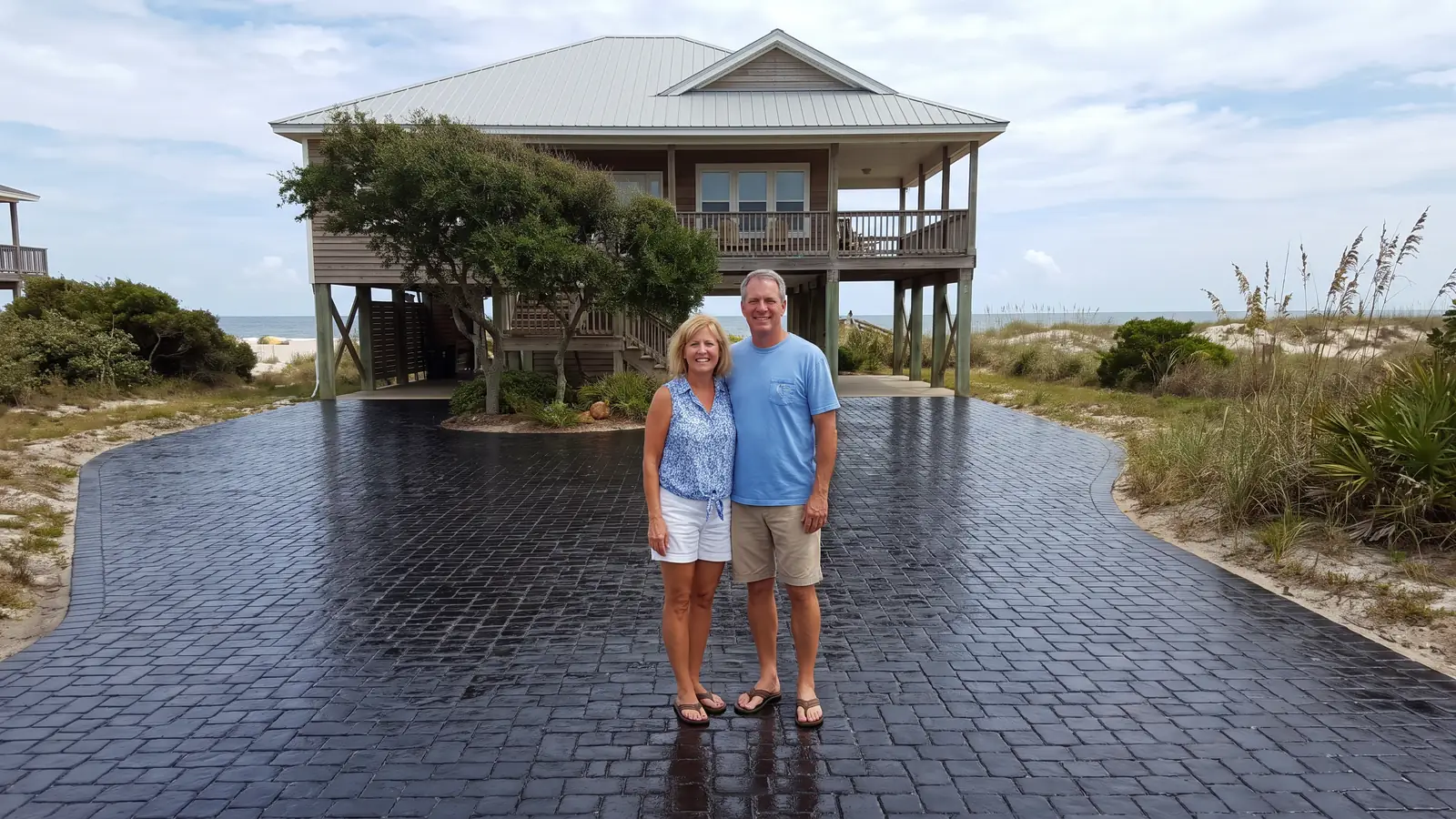
Paver sealing for Southside homes
Paver Sealing in Southside, FL
Southside grew around the 1960s I-95 build, so its driveways differ in age; call (904) 468-6386 for a free estimate.
- Brings out deeper paver color
- Fresh joint sand helps lock pavers in place
- Gives weeds less room to grow
- Makes the surface easier to keep clean
- Free estimate, no obligation
Request a Free Estimate
Free, no obligation.
Fast, careful paver sealing in Southside
Paver sealing in Southside starts with a free estimate, whether your pavers sit behind a gate or at the end of an open cul-de-sac. A local contractor handles the wash, the joint sand and the sealer on driveways, pool decks, courtyards and walks. Reply time is within 1 business day, usually much sooner, so send in the short estimate form.
Look at your driveway in afternoon light. Washed-out color, oil by the garage, orange streaks from sprinklers and gaps in the joints all point to a worn coat. A wash, fresh sand and a new coat can turn that into one steady color. Call (904) 468-6386 to describe it, and the estimate is free of obligation.
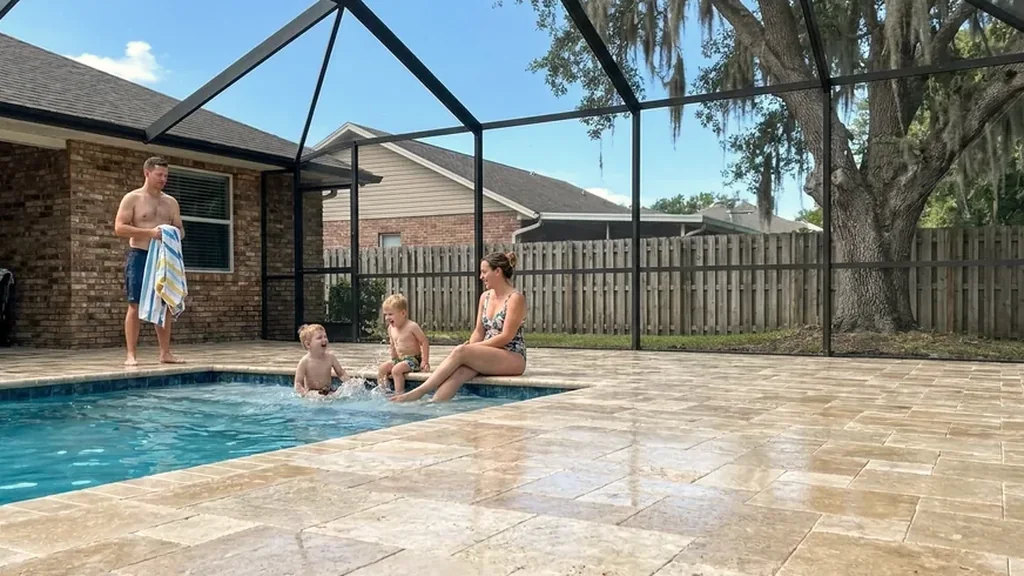
Why hire a local paver sealing contractor in Southside?
Southside homes were built across several decades, so the pavers on one street can differ in age, sealer and wear. A local contractor sorts that out before quoting, and you can send in the short estimate form to start.
A free walk-through
Before naming a price, the contractor looks over your Southside pavers. You owe nothing unless you say go.
Know the range
Published prices in Northeast Florida run $1.75 to $3.25 per square foot to clean, sand and seal. Bids far below may skip steps.
Gate-ready scheduling
A gated street adds prep time. Share gate hours and visitor rules up front so the day runs on schedule.
Your choice of finish
Matte, semi-gloss or wet look is your decision. The contractor explains how each holds up on a busy driveway.
Get Your Free Estimate in Southside
Tell us about your pavers in Southside.
Free, no obligation
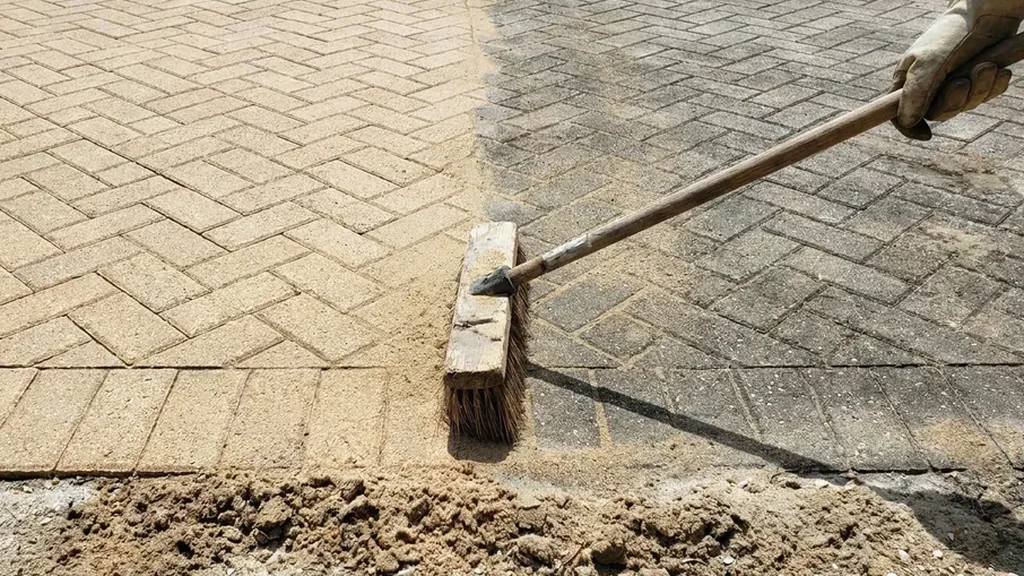
What paver problems show up most in Southside?
Orange streaks beside the lawn
The University of Florida says most Florida well water is high in iron and can leave orange rust stains where irrigation spray lands. Lots with sprinklers close to a driveway edge see it most, and the stain shows up first on light-colored pavers. A stain in the same strip every year is a hint that one sprinkler head sprays the pavers, and aiming it elsewhere is a job for whoever tends your irrigation. Rust is treated during the wash, since a coat of sealer would hold it in place. Rust is also easier to lift before the coat than after, so it is dealt with early.
Ground that stays wet near ponds and the creek
Pottsburg Creek begins near a retention pond in the Southpoint area and is fed by rain, ponds and storm drains. Wikipedia notes that JEA-owned ponds and drains make its water levels swing hard. Butler Boulevard, I-95 and the creek all run through or beside Southside, so plenty of paved land here sheds rain toward the water. Pavers near a pond can stay damp, and sealer needs a dry surface. If a pond sits behind your lot, mention it, since the contractor will want to look at drainage before the day is set. Slow runoff on Ortega-type soil also lets rain pool on a flat lot before it soaks in. Killarney Shores, near Southside Boulevard, sits along the creek where several TV transmitters stand, a landmark many neighbors use to place the water.
Joint sand that does not stay put
The USDA's Ortega soil series was first described about 1.4 miles south of Beach Boulevard. It is fine sand more than 80 inches deep with rapid permeability, so water drains fast and carries loose joint sand along. Southside storms can strip sand from a joint in a single afternoon, and a line of sand at the curb is the usual evidence. Once joints empty, weeds and ants move in, which means fresh sand goes in right after every wash. The same soil is moderately well drained, with a water table 48 to 80 inches down for six to eight months in most years, so standing water is less of a worry here than loose sand is.
Sun that bleaches a daily driveway
Jacksonville summer highs average about 92 degrees in July. A Jacksonville paver company says direct sun fades pigment and wears down sealer. Commuter driveways add tire wear to that, since the same lanes get driven every day, and the result is color gone flat with a dark strip where the wheels run. A coat of sealer slows that fade, and a fresh wash brings back the color that grime was hiding. Wet look shows the wear sooner, so some owners of busy drives choose matte or semi-gloss. Butler Boulevard links I-95 to the beaches, and Southpoint's office park was created in 1980, a year after the boulevard's first section opened.
Coats from several decades
Southside homes date from the early 1960s, when Deerwood began, through the Baymeadows years that followed 1968 and on to newer streets, so a single association may include pavers installed years apart. A paver driveway added at any point may carry a sealer nobody recorded. Water-based sealer will not go over a solvent-based coat, so the old product comes first. White, hazy or flaking old coats usually have to be stripped, and the contractor tests a small spot first rather than guess. Deercreek came in 1989, before The Avenues mall opened, and Deerwood Village Mall opened in 1972 in Baymeadows, so homes near the two can sit a decade or more apart in age.
How do Southside's neighborhoods differ for paver sealing?
They differ mostly in age and in access. Deerwood began in the early 1960s as a gated community on land R.G. Skinner bought in the 1890s, with Deerwood Country Club inside it. Gates mean visit hours and sometimes limits on trucks, so say so when you send in the short estimate form.
Baymeadows grew after the I-95 interchange at Baymeadows Road opened in 1968, along with Baymeadows Golf Club, a 500-acre private community. Deercreek came in 1989, and Southpoint's office park started in 1980 after Butler Boulevard's first section opened. Newer streets often hold newer pavers with a first coat still ahead of them. Call (904) 468-6386 and mention the year your pavers went in if you know it.
Town Center, Sunbeam and the Avenues area are also Southside subdistricts, and the housing there ranges from single-family lots to patio homes. Each type has its own access and its own paver layout, and a courtyard needs different gear than a long driveway. When you are ready, send in the short estimate form and describe your lot.
What does paver sealing cost in Southside?
Be wary of a number far under the pack. A Jacksonville cost guide says bids under $1 per square foot often skip the deep clean or the joint sand, and the regional range for the whole job is $1.75 to $3.25 per square foot to clean, sand and seal. Compact patios can run higher per square foot. To put a number on your pavers, send in the short estimate form.
Access is the other swing factor. A locked gate, stairs or a tight side yard means more prep and masking, while a wide driveway goes quickly. Mixed surfaces, like pavers beside concrete, add masking time as well. Call (904) 468-6386, and the contractor will say which of these fit your Southside lot.
| Paved area | Typical example | Clean, sand and seal |
|---|---|---|
| 300 sq ft | Small patio or walkway | $525 to $975 |
| 600 sq ft | Two car driveway | $1,050 to $1,950 |
| 1,000 sq ft | Large driveway or pool deck | $1,750 to $3,250 |
| 1,500 sq ft | Driveway plus pool deck | $2,625 to $4,875 |
Math based on the $1.75 to $3.25 per square foot that Northeast Florida paver companies publish. Your contractor sets the actual price after seeing the surface. Repairs, leveling and stripping failed sealer are usually extra.
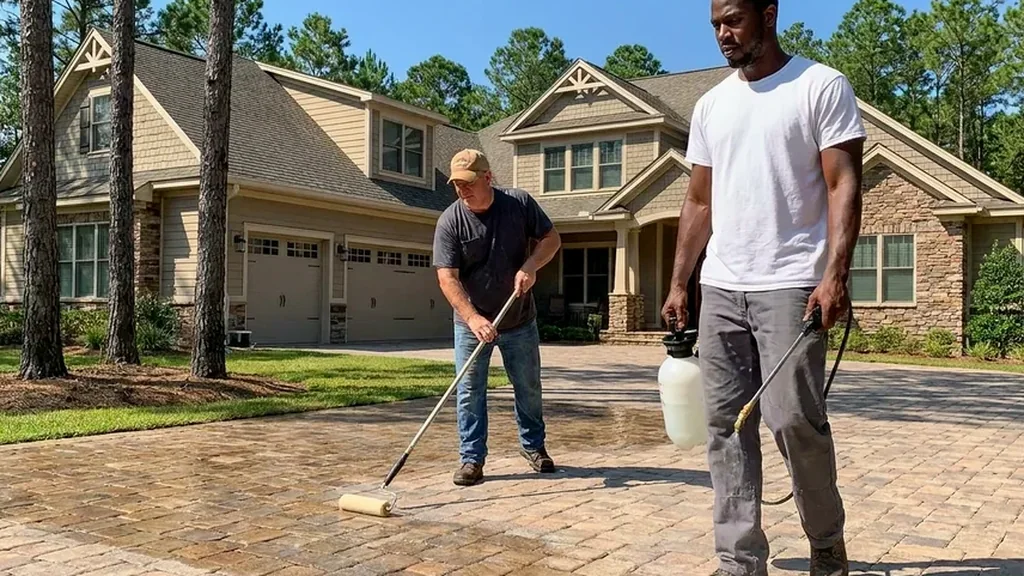
How does a paver sealing job work in Southside?
Meet and measure
The contractor measures the square footage and notes where water leaves your Southside pavers. Sunken spots get flagged. A test patch shows whether sealer went on before. Gate codes, visit hours and parking rules are settled at this stop too, and Southside spans Deerwood, Baymeadows, Town Center and Sunbeam, so say which part you live in.
Degrease and rinse
Oil near the garage and rust where sprinklers hit are lifted first, then algae in the shaded corners. Pool screens, beds and siding stay out of the spray. Pool decks near a screen enclosure get a rinse for chlorine residue too. The wash ends when the surface is clean and bare. Condo patios and pool decks often sit close to doors and windows, so the contractor checks where the spray will land before the wash begins.
Brush in new sand
Fresh silica sand is brushed into every joint, because empty joints on fine Duval County sand let weeds in. Ask how full they will be. Pottsburg Creek begins in the Southpoint area, so ground near its start may stay damp.
Hold for dryness
Ponds and shade slow drying on some Southside lots. The contractor checks the forecast and feels the pavers, and holds the sealer back if either says wet. A rushed coat can turn cloudy, so a short pause is the safer path. Ortega-type soil is moderately well drained, so ground often dries sooner than flatwoods, but ponds and shade can undo that.
Coat and cure
Sealer goes on by spray, with a back-roll to work it into the joints. Feet can go on after a few hours, and cars wait about a day. Water that beads later shows the coat is holding. A written note of the sealer name and finish is worth keeping, especially for a condo or association file.
Complete paver services in Southside
Southside work follows a fixed order. Oil, rust and green film come off first, joint sand goes in second, and sealer waits for a dry surface. A Jacksonville paver company advises letting new pavers sit 30 to 60 days before the first coat. For stage-by-stage timing on your driveway, call (904) 468-6386.
Commuter driveways take the tire wear, and condo courtyards can be tight to reach. Pool decks catch chlorine splash and leaves. Brick and travertine soak up more sealer than concrete, so list your surfaces when you send in the short estimate form.
Whatever is on the pavers now sets the options, since the two main sealer types do not go over each other. Finishes run from matte to semi-gloss to wet look, and wet look scuffs sooner on a daily driveway. Call (904) 468-6386 to pick one for your Southside home.
Heavy rain comes mostly between May and September, and ground near a retention pond may stay wet a day or two longer. Most companies put the next coat two to five years out. A morning start leaves more dry hours before the usual afternoon clouds. To plan around the forecast, send in the short estimate form.
Questions to ask before you hire
- How do you decide between a natural look and a wet look finish?
- What do I move off the driveway, and when can the car go back on it?
- Will you tell me the square footage you measured and what each square foot costs?
- Can you remove the green algae and the rust spots that sprinklers leave behind?
- Do you rinse the salt off before the sealer goes on, or only wash the surface?
- Has the sealer you plan to use been tested on pavers near salt water and sea spray?
- If a patch peels or turns cloudy later, who do I call, and what happens next?
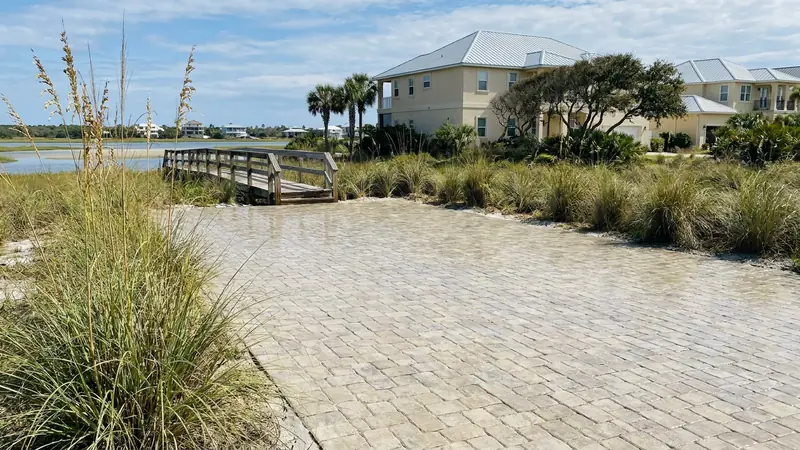
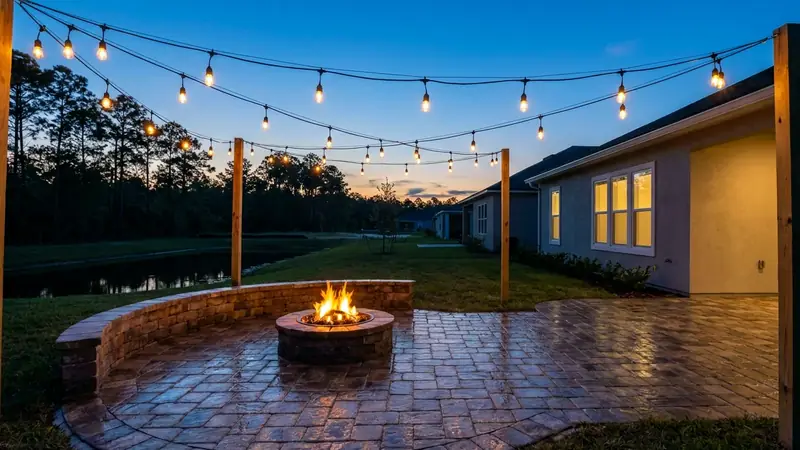
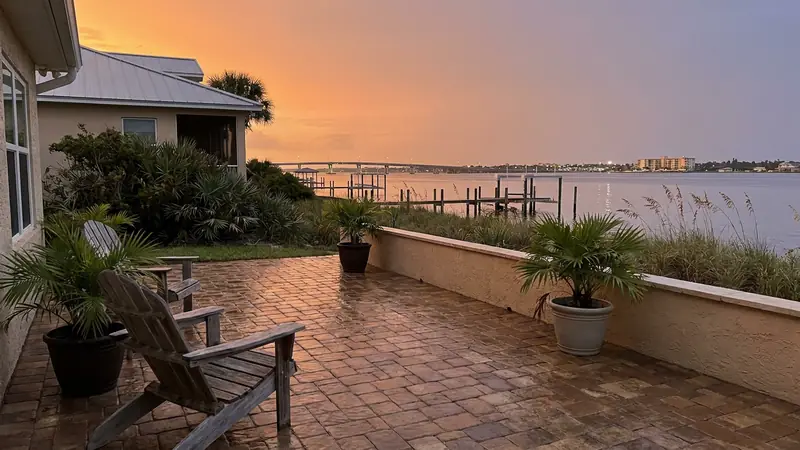
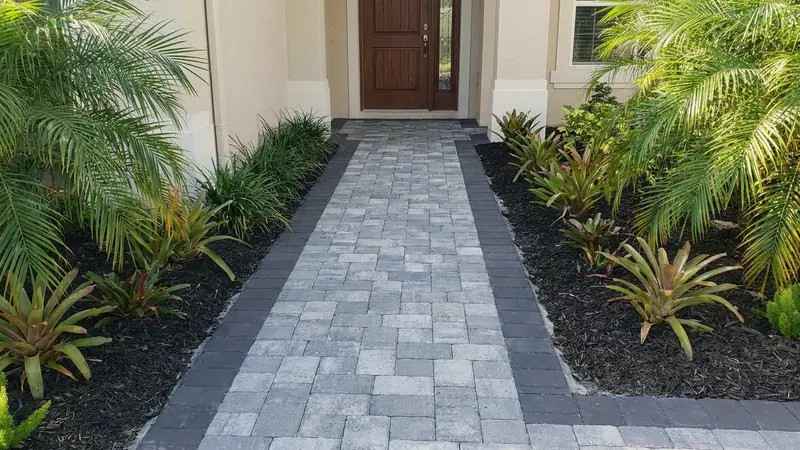
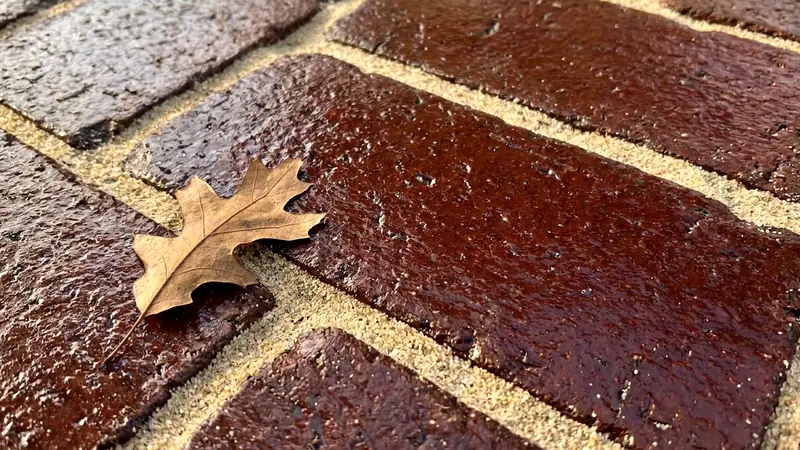
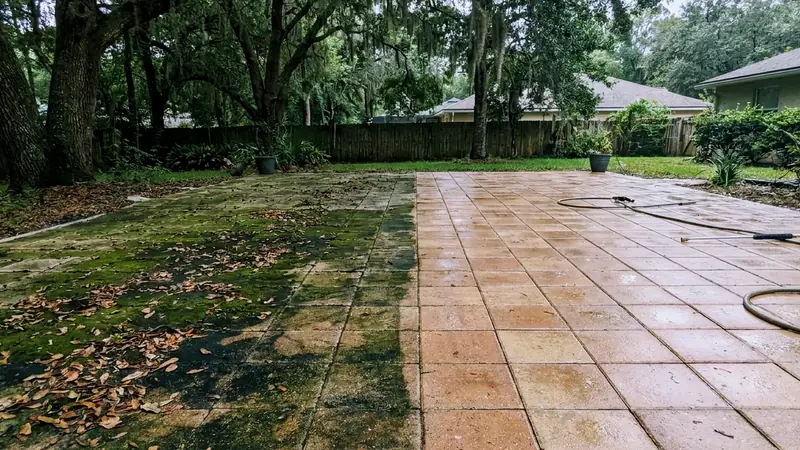
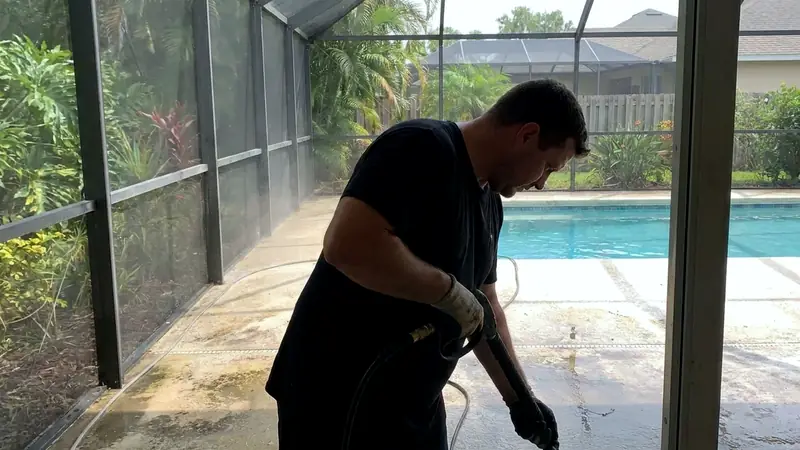
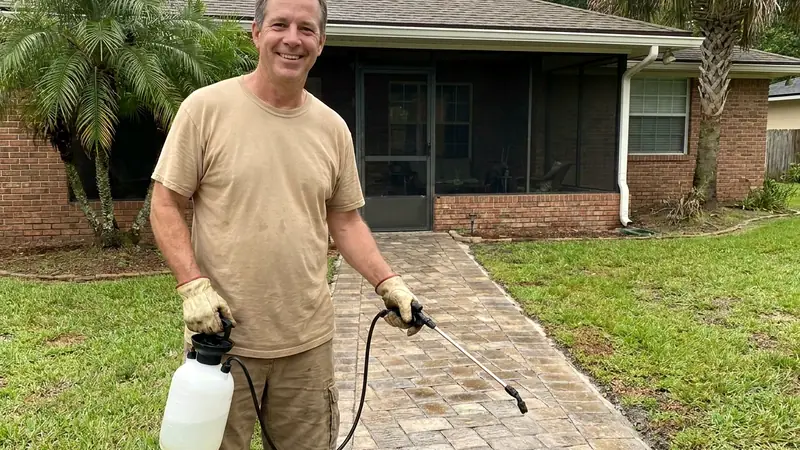
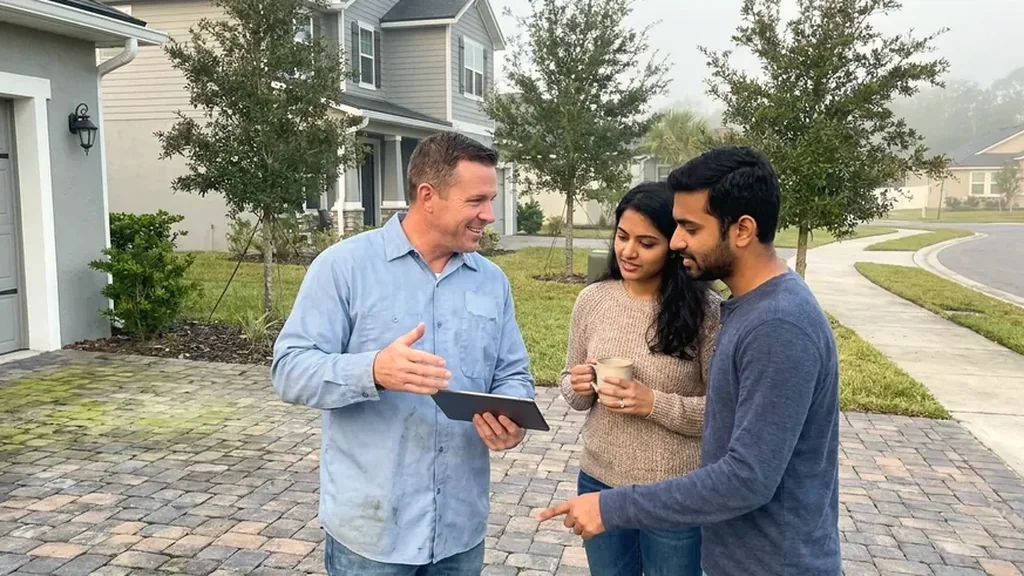
What do sealed pavers look like around Southside?
Why local matters in Southside
A contractor who works Southside knows the local layout of gates, associations and visit hours. That saves a wasted trip on the day of the job. It also means fewer surprises with truck access. To talk to a contractor who works the Southside area, call (904) 468-6386.
Local experience helps with ground and weather. Storm water moves through this area on its way to Pottsburg Creek, and summer rain comes hard and fast. A contractor used to it leaves time for pavers to dry. Before booking, send in the short estimate form and ask what happens if rain moves in.
Southside also has pavers of every age, since the area grew from the 1960s onward. Someone who knows the area asks when the pavers were laid and what was put on them. Guessing at an old coat is how new sealer ends up peeling. Bring what you know, then send in the short estimate form.
Why does Southside have so many different kinds of streets?
Because it grew in stages, starting when I-95 construction in the 1960s turned rural land into suburbs. Deerwood Country Club began in the early 1960s, and Baymeadows Golf Club opened in 1968 with the new interchange. Deerwood Village Mall followed in 1972, so shopping and homes arrived together. Close to one of these places, call (904) 468-6386 and give your street name.
Butler Boulevard, about 13 miles long, opened its first section in 1979 and was finished in 1997. It links I-95, Southside Boulevard and the beaches, and Southpoint grew beside it. Beach Boulevard marks the line between Southside and Arlington. Mention the nearest road when you send in the short estimate form.
Frequently Asked Questions
Is it good to seal pavers in Southside?
Yes, for most driveways and pool decks. Sealer helps hold joint sand in and slows fading in summer sun. Southside pavers also face heavy rain and daily tires, and a sealed surface is easier to keep clean. The Deerwood, Baymeadows and Southpoint areas were built in different years, so pavers differ in age, and a free estimate shows what your surface needs.
How much does it cost to have pavers cleaned and sealed in Southside?
Region-wide, the commonly published price runs from $1.75 to $3.25 per square foot to clean, sand and seal. Old sealer that must be stripped, a small area or a gated street can push a job higher. Southside homes range from gated lake lots to condo courtyards, so the figure moves with the layout. Ask for the square footage in writing, and the free estimate puts a firm number on your lot.
Why is paver sealing so expensive in Southside?
The price covers a deep wash and joint sand, not only the coat. A Jacksonville cost guide says bids under $1 per square foot often skip steps, and a fair full job sits in the published range of $1.75 to $3.25. Gates, stairs and tight access add prep time. Compact patios can cost more per square foot, since setup time barely shrinks.
What kind of sealer works for Florida pavers?
Both types are used here, and the existing coat narrows the pick. Water-based sealer cannot go over solvent-based sealer, so the old product is identified first. Finishes come in matte, semi-gloss and wet look, and semi-gloss is the common local pick, according to one Jacksonville company. Name the product on the quote, so the record follows the house.
How long do paver sealers last in Southside?
Going by company quotes, plan for two to five years before the next coat. A sunny driveway that carries daily traffic sits at the short end, and the tire lanes by the garage show wear before the rest of the drive. A water test helps: drops that bead mean the coat works, and drops that soak in mean it is time to reseal. Brand-new pavers are the exception, since they wait 30 to 60 days before the first coat.
Can a contractor work inside a gated Southside community?
Usually yes, with a little planning. Gates can add prep time, according to a Jacksonville cost guide. Deerwood and other gated neighborhoods set their own visit hours, so share those up front, and say how many cars and trucks the job will bring. A day that fits both sides is chosen.
What if it rains on the day pavers are sealed in Southside?
The contractor stops and sets a new date, since sealer needs a dry surface. Ground near ponds or in shade can take longer to dry, so ask whether the pavers around a retention pond need extra drying time. Expect a short delay of a day or two after a downpour. The creek's tributaries include Little Pottsburg Creek and Silversmith Creek, so storm water has many paths.
Do sunken pavers need to be fixed before sealing?
Yes. A Jacksonville company notes that sealer over a low paver keeps it low, which is why resetting on a rebuilt base comes first. Sealer cannot lift a low paver, though it does keep sand in and water out. A low spot near a drain or a pond is worth pointing out, and the contractor can mark the low spots on the estimate visit.
Ready for a Free Estimate in Southside?
Call (904) 468-6386 and tell us about your pavers.
Free, no obligation